Language
 English
 русский
 Español
 عربى
عربى Phone
Phone
 Email
Email



Material selection plays an important role in faucet manufacturing, influencing product appearance, structural stability, and long-term performance. A bathroom mixer faucet manufacturer and a basin mixer faucet manufacturer often evaluate material characteristics carefully during product development to ensure that faucets are suitable for different bathroom environments. As market expectations continue to evolve, material choices remain a key consideration throughout the manufacturing process.

The Importance of Material Selection
Every faucet consists of multiple components that work together to provide reliable water control and everyday convenience. The materials used for these components can affect production processes, finishing options, and overall product quality.
Manufacturers typically assess factors such as durability, corrosion resistance, processing compatibility, and visual appearance when selecting materials. These considerations help determine how a faucet will perform under regular bathroom conditions and how well it can adapt to different design requirements.
Material selection also influences manufacturing efficiency, making it an essential part of product planning and development.
Common Materials Used in Faucet Production
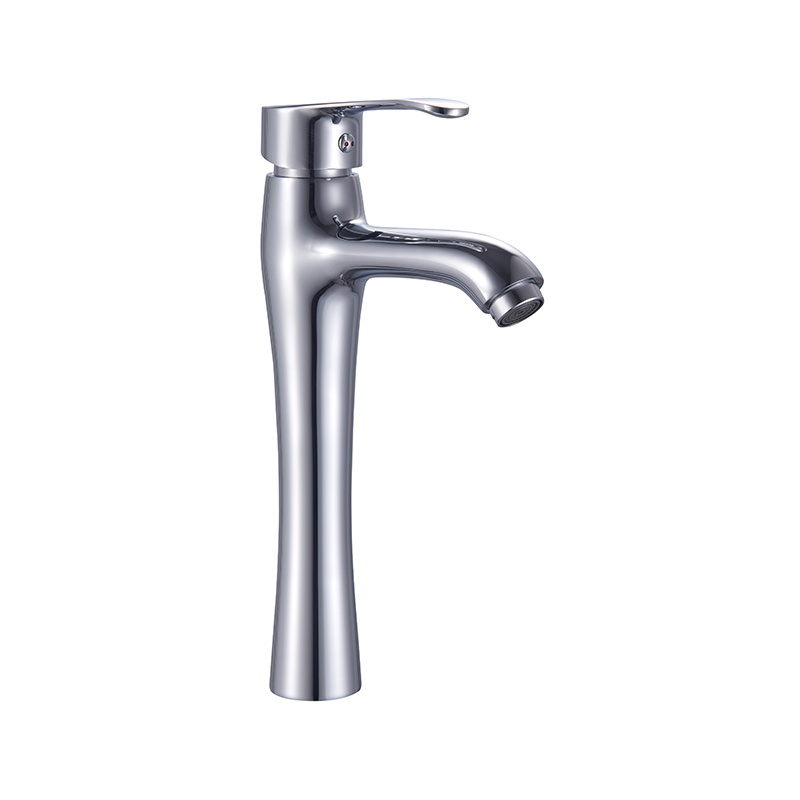
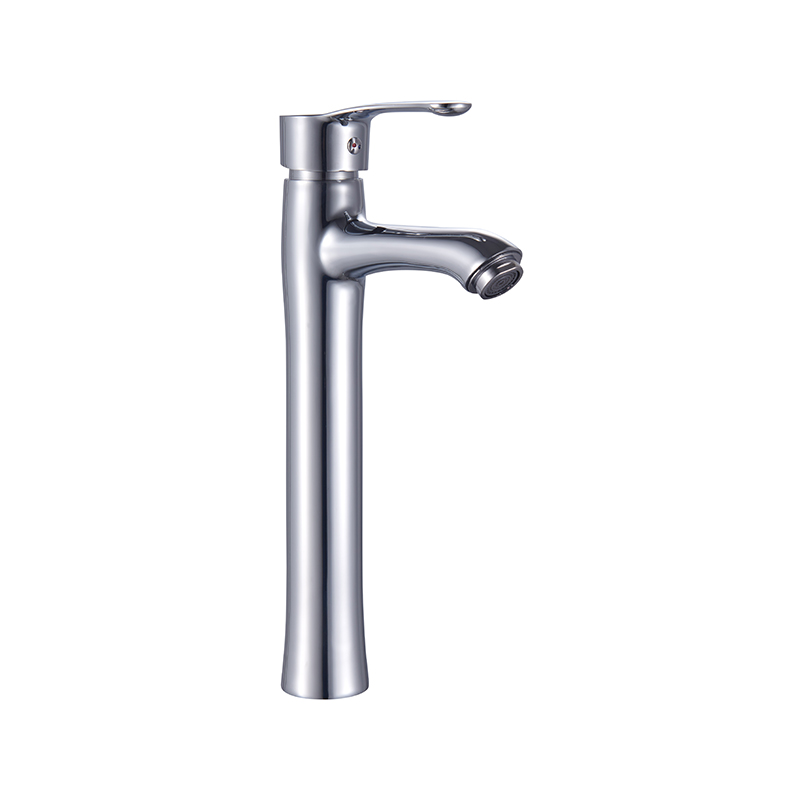
Brass remains one of the most widely used materials in bathroom faucet manufacturing. It offers good machinability and supports a variety of surface finishing techniques, allowing manufacturers to create faucets with different styles and appearances.
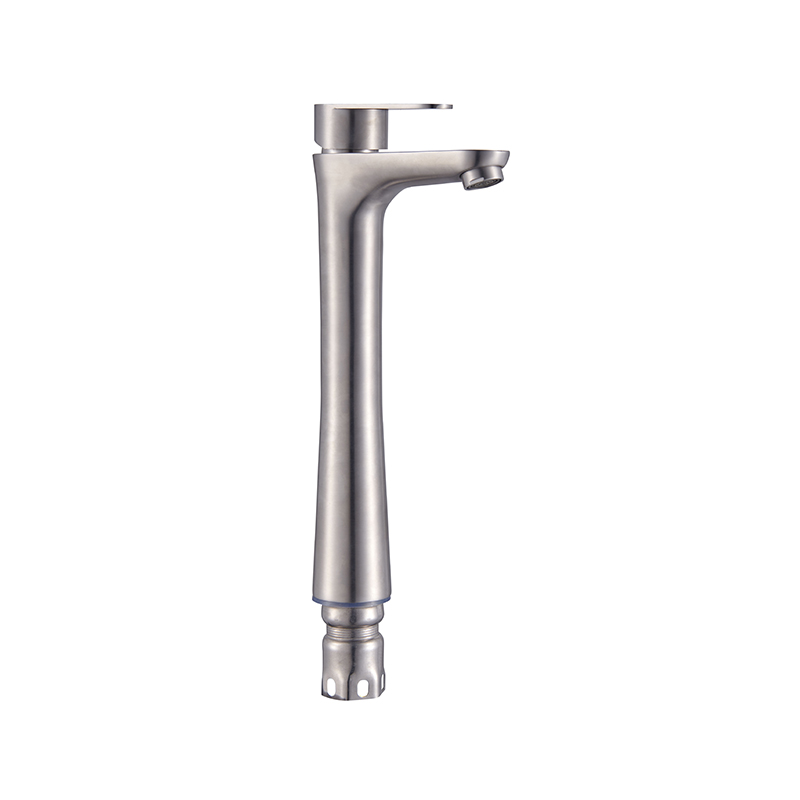
Stainless steel is another material used in certain faucet applications. It is often selected for its clean appearance and suitability for modern design concepts. Depending on the intended use and product design, manufacturers may choose different materials to achieve specific performance and aesthetic goals.
In addition to the faucet body, internal components and supporting parts may also utilize materials chosen for their compatibility with operational requirements and manufacturing processes.
Factors Influencing Material Decisions
Bathroom environments expose faucets to regular contact with water and humidity. For this reason, resistance to corrosion and long-term structural stability are important considerations during material evaluation.
Manufacturers also consider how materials interact with production processes such as casting, machining, polishing, and surface treatment. Materials that support consistent manufacturing outcomes can contribute to smoother production workflows and more uniform product quality.
Design flexibility is another factor. Different materials may allow for various shapes, profiles, and finish options, helping manufacturers create faucets that suit diverse bathroom styles.
Quality Control Throughout Production
Material selection is closely connected to quality control procedures. Before production begins, raw materials are commonly inspected to verify that they meet manufacturing requirements.
As components move through the machining and assembly stages, additional inspections may be performed to maintain consistency. Surface preparation and finishing processes are also monitored to help achieve the desired appearance and product standards.
These quality-focused practices support the production of faucets that are suitable for residential, hospitality, and commercial applications.
Supporting Diverse Bathroom Applications
Modern bathrooms vary significantly in design, size, and usage requirements. Some projects prioritize contemporary aesthetics, while others focus on practicality and ease of maintenance.
By carefully selecting materials, manufacturers can develop faucets that meet a broad range of application needs. Whether installed in homes, apartments, hotels, or commercial buildings, material choices contribute to how faucets function and integrate within different environments.
As bathroom design and construction continue to develop, material selection will remain a central aspect of faucet manufacturing. Careful evaluation of materials helps support product quality, design flexibility, and reliable performance across a variety of bathroom applications.