Language
 English
 русский
 Español
 عربى
عربى Phone
Phone
 Email
Email



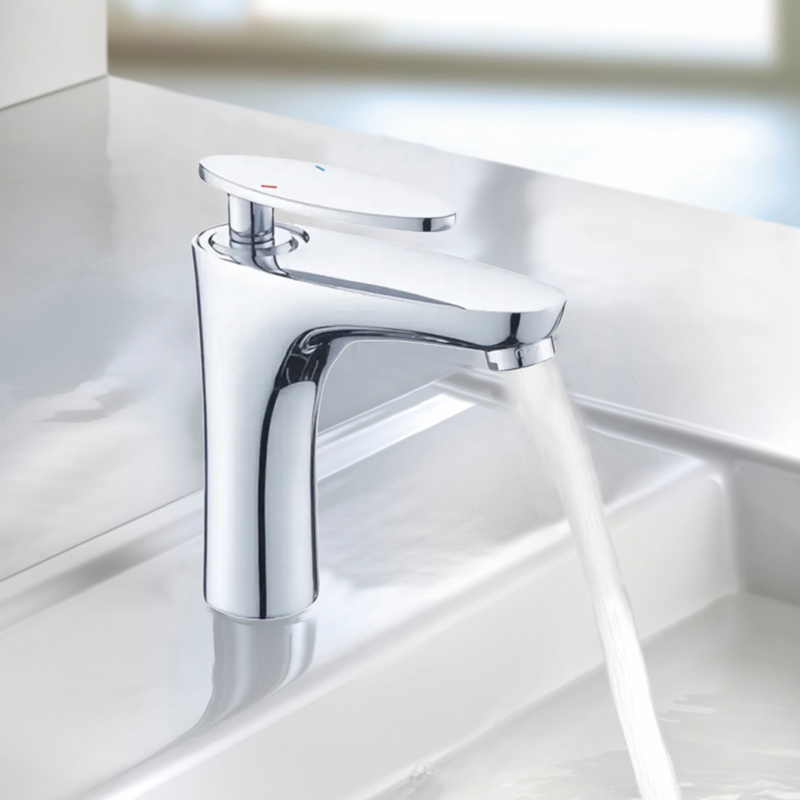
Low water pressure in kitchen basin mixer taps and thermoreatic kitchen mixers can result from blocked aerators, faulty hoses, partially closed valves, plumbing issues, or pressure imbalances. Understanding the causes and solutions of low water pressure is essential to maintain both functionality and comfort. Zhejiang Jicheng Technology Co., Ltd., a professional manufacturer of kitchen faucets and sanitary ware, provides guidance to help homeowners restore good water flow and temperature stability.
1. Check for Blockages in the Aerator
A blocked aerator is one of the more common reasons for low water pressure in kitchen basin mixer taps. Over time, sediment, mineral deposits, and debris can accumulate at the faucet tip, restricting water flow. Removing the aerator and cleaning it with vinegar or a mild descaling solution can restore proper water pressure. For thermoreatic kitchen mixers, a clean aerator also ensures consistent temperature and prevents sudden fluctuations, improving both safety and comfort.
2. Inspect Hoses and Internal Connections
Low water pressure can also stem from kinked, twisted, or partially blocked hoses connecting the faucet to the water supply. Inspecting these hoses for bends, clogs, or visible damage is essential. Replacing worn or damaged hoses can improve water flow immediately. Additionally, check all internal connections and fittings to ensure they are properly aligned and tightened; loose or misaligned connections can cause leaks and reduce water pressure. Regular inspection helps prolong the life of both kitchen basin mixer taps and thermoreatic kitchen mixers.
3. Examine Water Supply Valves
Partially closed or malfunctioning water supply valves under the sink are a frequent cause of low water pressure. Ensure that both hot and cold water valves are fully open. Thermoreatic kitchen mixers, in particular, rely on balanced and adequate pressure from both lines to maintain stable temperatures. If valves are old, corroded, or difficult to turn, replacing them can restore proper pressure and improve the overall performance of your faucets.
4. Address Plumbing and Pipe Issues
In some cases, low water pressure originates from the household plumbing system rather than the faucet itself. Mineral buildup, corrosion, or blockages in pipes can significantly reduce water flow. Flushing the pipes, descaling, or replacing worn plumbing sections may be necessary. In homes with consistently low municipal water pressure, installing a water booster pump or a pressure-regulating system can ensure that both kitchen basin mixer taps and thermoreatic kitchen mixers operate efficiently, even during peak usage.
5. Consider Pressure Balancing and Temperature Control
Thermoreatic kitchen mixers are sensitive to pressure imbalances between hot and cold water supplies. If one line has significantly higher pressure, it can cause low flow, unstable temperatures, or sudden temperature spikes. Installing pressure-balancing valves or adjusting the water supply ensures consistent flow rates and temperature stability. This solution not only restores water pressure but also improves the safety and reliability of your kitchen mixer.
6. Routine Maintenance Tips for Longevity
Consistent maintenance can prevent low water pressure issues and extend the life of your faucets:
Clean aerators and cartridges every few months to remove debris and mineral deposits.
Inspect hoses and connections for damage or kinks regularly.
Test water pressure periodically to detect early signs of problems.
Replace worn washers, seals, and cartridges promptly.
Flush pipes occasionally to prevent mineral buildup.
Following these steps helps maintain good flow and temperature, ensuring smooth operation for both kitchen basin mixer taps and thermoreatic kitchen mixers.