Language
 English
 русский
 Español
 عربى
 Phone
 Email



Bathroom projects are placing greater emphasis on water efficiency, material safety and long-term product reliability. For distributors, contractors and plumbing suppliers, choosing a Basin Mixer Tap is no longer just about appearance. Buyers also need to consider water flow control, internal components, surface durability and regional plumbing requirements. As lead-free plumbing regulations develop across international markets, manufacturers and suppliers must pay closer attention to product specifications before introducing new tapware into their product ranges.
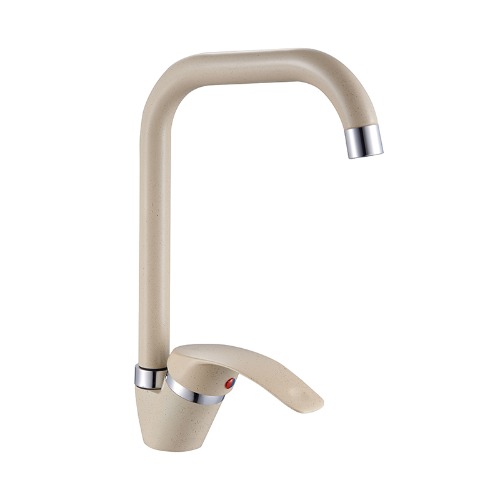
Lead-Free Materials Are Becoming a Key Purchasing Consideration
Material compliance is receiving greater attention in international bathroom projects. Regulations in markets such as Australia and New Zealand are introducing stricter requirements for copper alloy plumbing products that come into contact with drinking water.
For importers and wholesalers, this means checking material composition and supporting certification before placing bulk orders. A Basin Mixer Tap intended for a particular market should meet the applicable local requirements rather than relying on general product descriptions.
As a manufacturer, we recommend that buyers pay attention to:
- Brass composition and lead content in water-contact components.
- Applicable lead-free testing and certification.
- Material documentation for project approval.
- Compatibility with local plumbing regulations.
These checks can help reduce compliance risks and avoid unnecessary product replacement.
Ceramic Cartridges and Leakage Prevention
Frequent dripping, difficult handle movement and unstable temperature adjustment are common problems associated with poorly designed tap mechanisms. In many single-handle basin mixers, the ceramic cartridge controls both water flow and temperature.
When evaluating a Basin Mixer Tap, buyers should consider cartridge quality, sealing performance and ease of replacement. A well-matched ceramic cartridge supports smooth operation and helps reduce maintenance requirements.
Manufacturers should also pay attention to the connection between the cartridge, handle and valve body. Consistent component assembly helps maintain stable operation during everyday use, particularly in hotels, apartments and commercial washrooms where fixtures experience frequent use.
Water-Saving Design Without Sacrificing Daily Comfort
Water efficiency is becoming an important specification in residential developments and commercial renovation projects. However, reducing water consumption should not make handwashing uncomfortable or create complaints about weak water flow.
Aerators are an important part of this balance. They mix air with water to produce a more controlled stream, depending on the product design and water pressure.
When sourcing a water-saving basin mixer tap, buyers should check the rated flow rate, operating pressure range and aerator configuration. These details help determine whether the product is suitable for the intended installation environment.
Surface Finishes and Long-Term Maintenance
Chrome remains a familiar choice for bathroom tapware, while brushed finishes, matte black and other decorative coatings provide additional options for contemporary bathroom designs.
However, appearance should not be the only selection criterion. Buyers should evaluate coating adhesion, corrosion resistance and cleaning requirements. In areas with hard water, mineral deposits can affect the appearance of tap surfaces over time.
From a manufacturing perspective, surface preparation and coating consistency deserve attention throughout production. Clear maintenance instructions also help distributors and project contractors reduce after-sales complaints.
Installation Compatibility Matters for Bulk Projects
Even a well-designed faucet can create installation problems when its dimensions do not match the basin or existing plumbing connections.
Before ordering a Basin Mixer Tap in bulk, buyers should confirm:
- Mounting hole dimensions and installation type.
- Spout reach and height above the basin.
- Hot and cold water connection specifications.
- Flexible hose length and connection compatibility.
- Available installation accessories.
Checking these details early helps contractors avoid installation delays and additional modification costs.
What Manufacturers Should Provide to International Buyers
Reliable product sourcing requires more than attractive product images. Importers and distributors need technical information that supports product selection, quality inspection and market entry.
A professional manufacturer should provide clear specifications, material information, installation instructions and available compliance documents. Buyers can also discuss cartridge options, handle designs, surface finishes and packaging requirements according to their target market.
For OEM and private-label projects, confirming these details during product development helps maintain consistency between approved samples and subsequent production batches.
Choosing a Basin Mixer Tap for Long-Term Supply
The bathroom tapware market continues to place greater attention on material safety, water efficiency, functional design and maintenance costs. Buyers who evaluate these factors together can make more informed sourcing decisions and build product ranges suited to different market requirements. As a manufacturer, we believe a dependable Basin Mixer Tap should combine practical operation, carefully selected components and clear technical documentation to support distributors, contractors and long-term bathroom projects.