Language
 English
 русский
 Español
 عربى
عربى Phone
Phone
 Email
Email



For buyers working with bathroom renovation, residential development, and hospitality projects, choosing the right wall mixer factory is not simply about comparing appearance or surface finishes. A wall-mounted mixer has to work with the plumbing layout, basin or shower configuration, water-use expectations, and maintenance plan. Current bathroom design discussions are also placing more attention on water efficiency, practical functionality, and clean architectural forms, making mixer selection a more detailed engineering decision than it may first appear.
Start With the Installation Structure
One common sourcing problem occurs when a mixer is selected before the wall plumbing is fully considered. Wall-mounted products require the hot and cold water connections to align with the intended installation position, so buyers should confirm the rough-in arrangement before finalizing the product.
This is particularly important for new construction, hotel bathrooms, and renovation projects where changing concealed plumbing later can increase labor and installation difficulty.
Match the Mixer to Actual Water Use
Water efficiency has become a practical consideration for bathroom projects rather than a purely environmental talking point. Buyers also want to maintain comfortable water flow and simple control during daily use. When evaluating a wall mixer, project teams should consider flow control, hot and cold water adjustment, plumbing compatibility, and cartridge performance instead of focusing on one specification alone.
The right configuration depends on the installation environment, local requirements, and intended application. Residential bathrooms may have different priorities from hotels, apartments, or commercial properties, so product selection should begin with the actual project conditions.
Pay Attention to Internal Components
The external finish attracts attention, but internal components have a direct influence on daily operation. A mixer used frequently in residential or commercial bathrooms needs stable handle movement and reliable sealing. For project buyers, cartridge compatibility and replacement availability can also affect long-term maintenance.
As a manufacturer, we recommend reviewing the internal construction during product development instead of treating it as a secondary detail. A well-planned structure can make inspection, assembly, and future servicing more manageable while helping buyers establish a consistent product specification across different projects.
Choose a Finish for the Target Market
Modern bathroom projects increasingly use coordinated materials, clean lines, and personalized fixture combinations. This creates opportunities for wall mixers in different interior styles, but finish selection should still consider the surrounding fixtures, cleaning requirements, and target market.
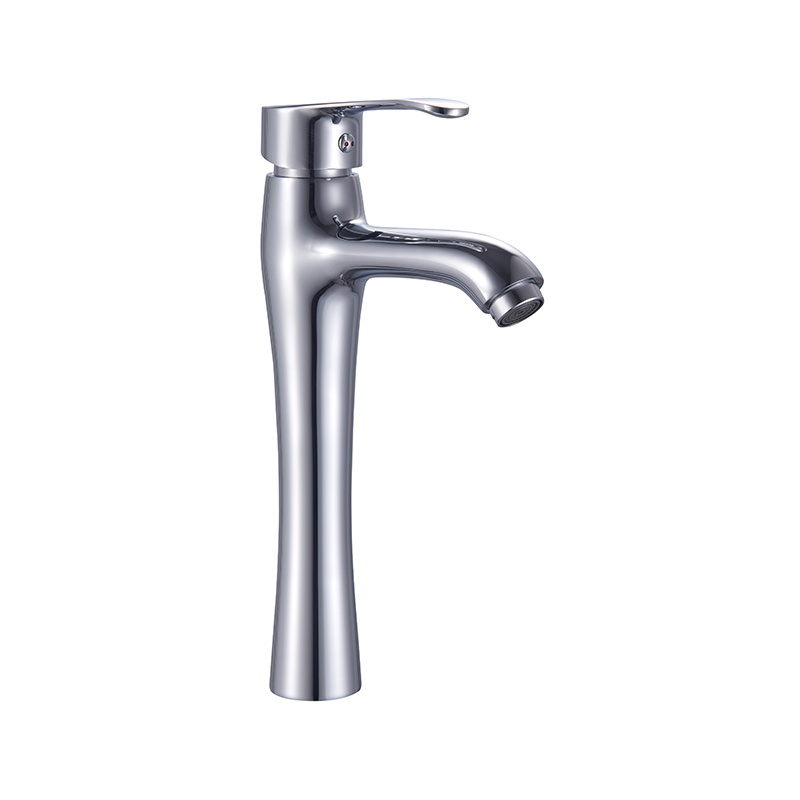
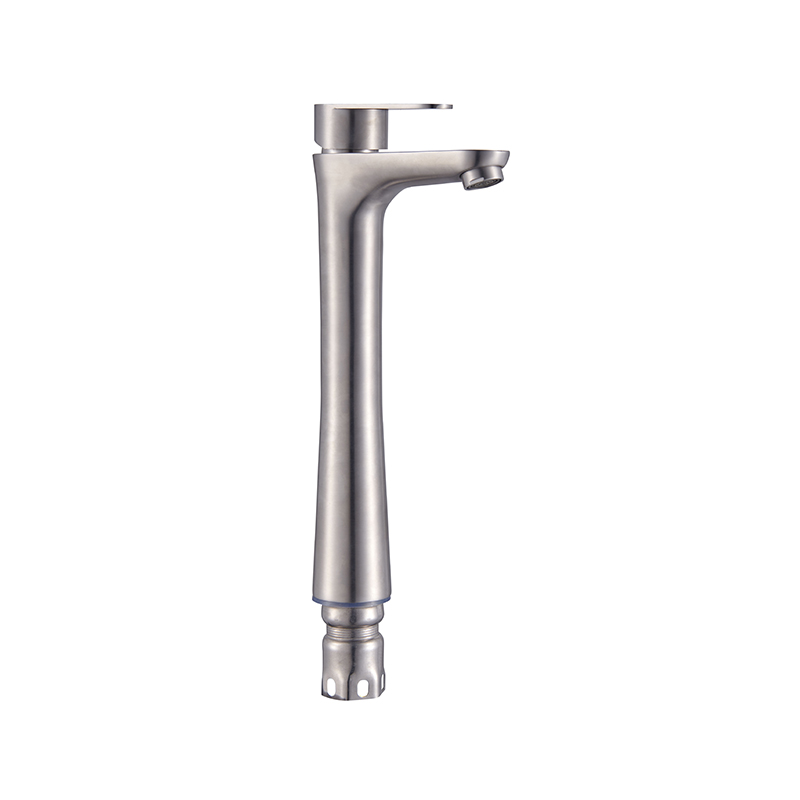
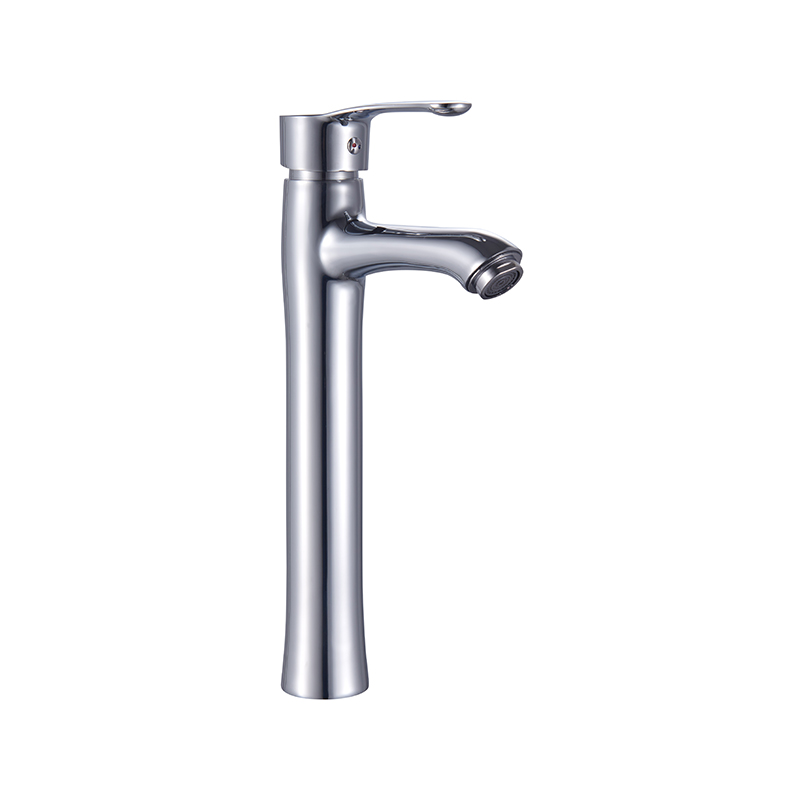
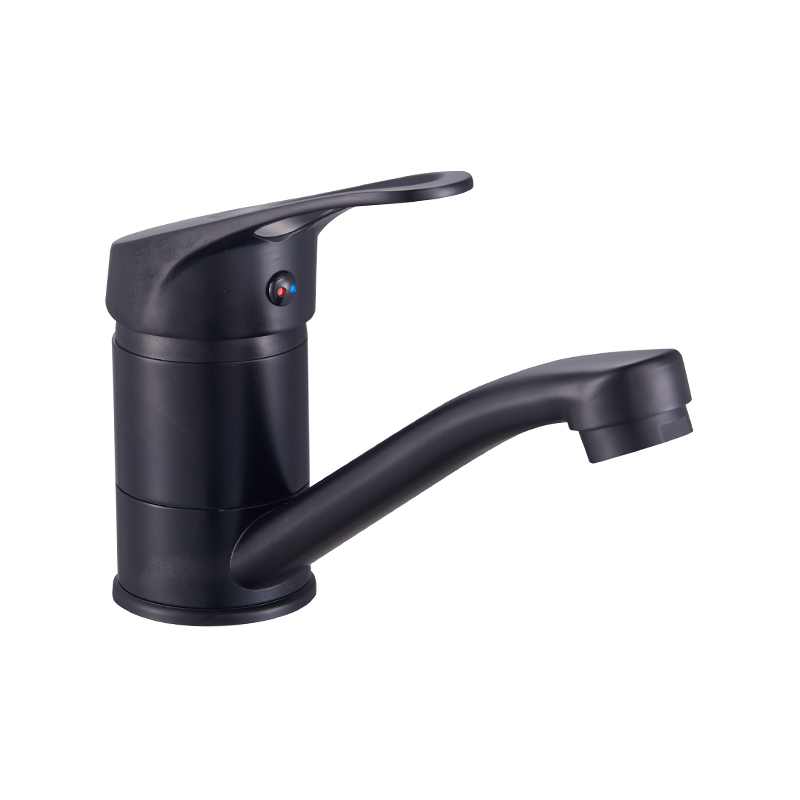
Chrome, brushed finishes, and darker tones can create different visual effects. For OEM buyers, offering several finish options can also make one mixer platform suitable for different bathroom collections without requiring a completely new product structure for every market.
Make Maintenance Part of Product Selection
A mixer that looks suitable at installation can become a maintenance concern if its components are difficult to inspect or replace. Contractors and facility teams therefore have good reason to examine cartridge replacement, component availability, sealing structures, and service procedures before placing a project order.
This point is especially relevant for hospitality and property-management applications. When many bathrooms use the same mixer, a straightforward maintenance process can make routine servicing easier and reduce unnecessary product replacement.
Use OEM Development to Address Project Needs
Different markets may require different connection standards, handle designs, finishes, packaging, or installation instructions. Working directly with a manufacturer gives buyers more flexibility to discuss these requirements during product development instead of adapting a finished retail model.
An experienced supplier can review drawings, installation conditions, target applications, and branding requirements before confirming the production route. This approach allows a standard wall mixer design to be adjusted for specific distribution channels, construction projects, or private-label product lines.
Build the Specification Around the Project
For overseas buyers, the most useful wall mixer specification is one that connects product construction with the actual installation environment. Instead of selecting a model based only on appearance, review the plumbing layout, intended water use, internal components, finish requirements, servicing needs, and local market expectations together.
A capable wall mixer factory should be able to discuss these points clearly and provide practical OEM or project-oriented solutions rather than simply offering a product catalogue.