Language
 English
 русский
 Español
 عربى
عربى Phone
Phone
 Email
Email



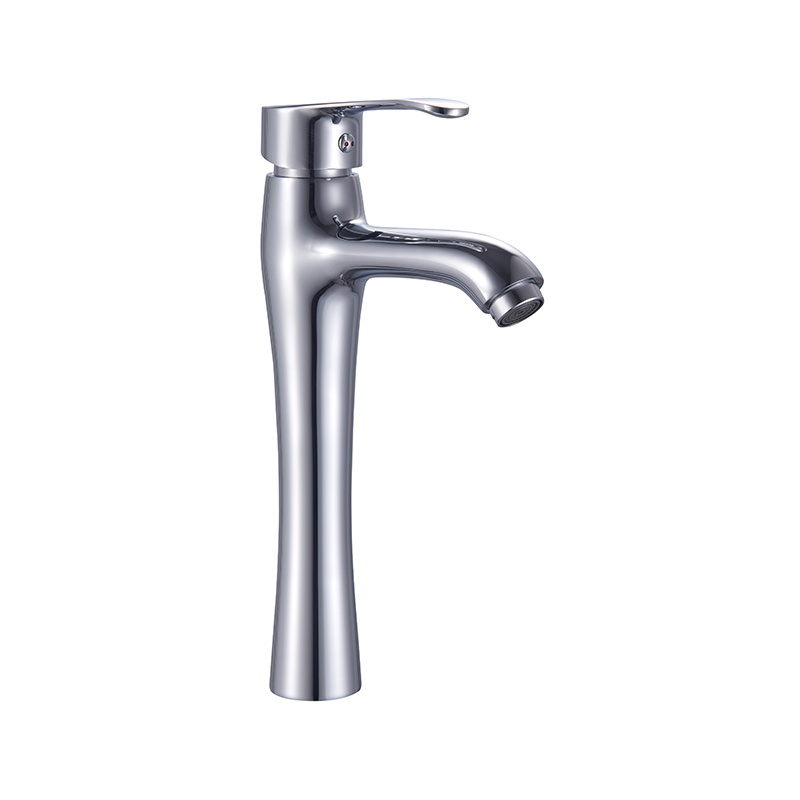
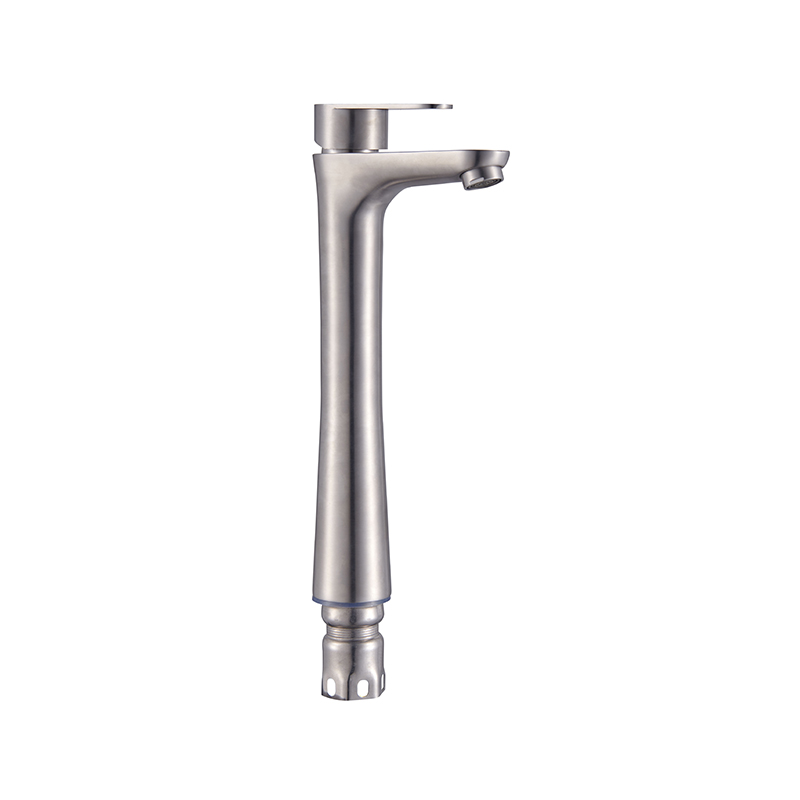
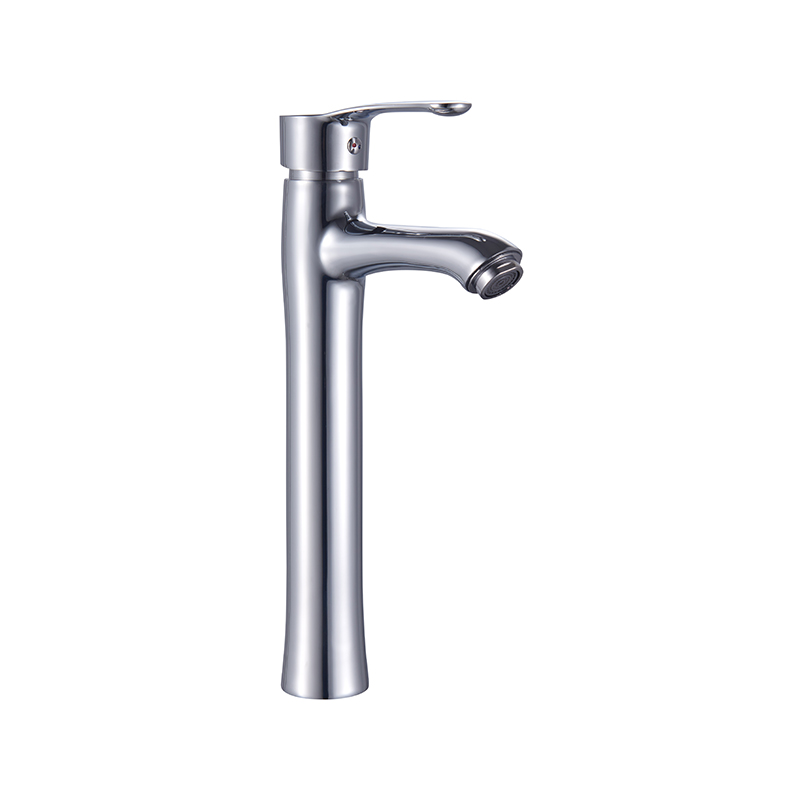
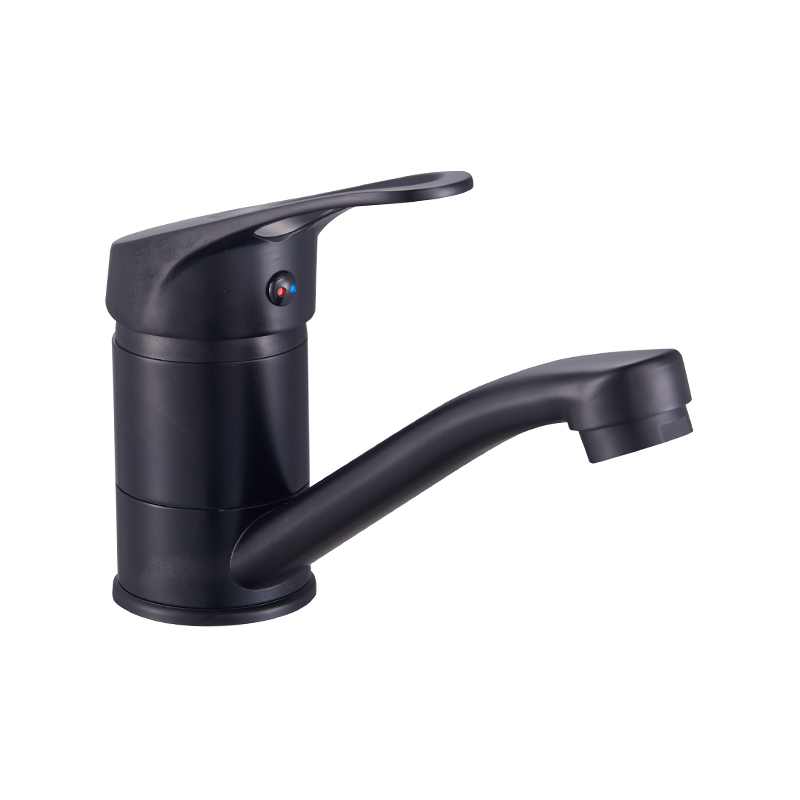
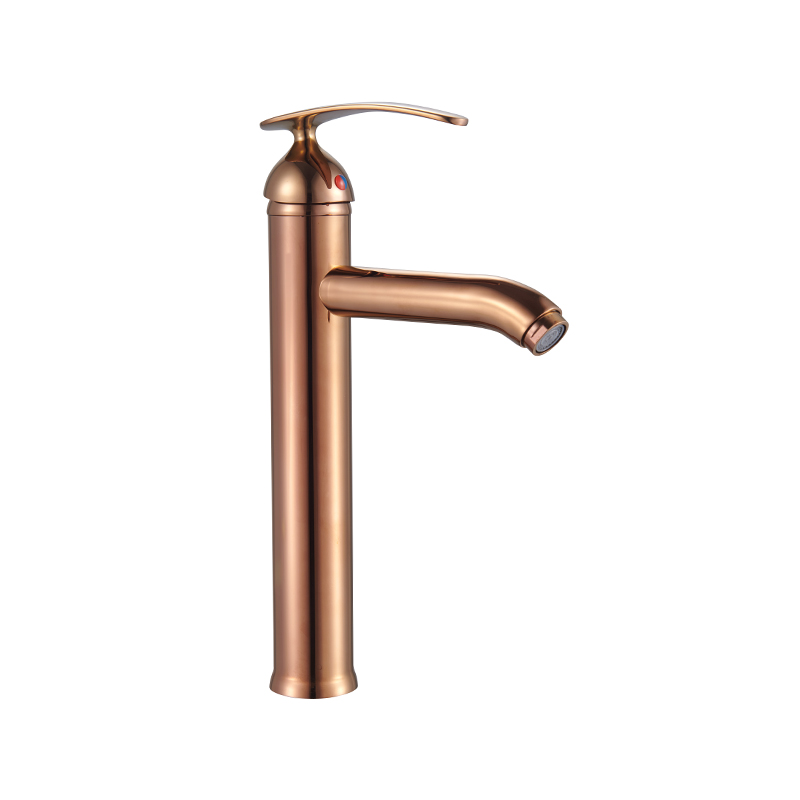
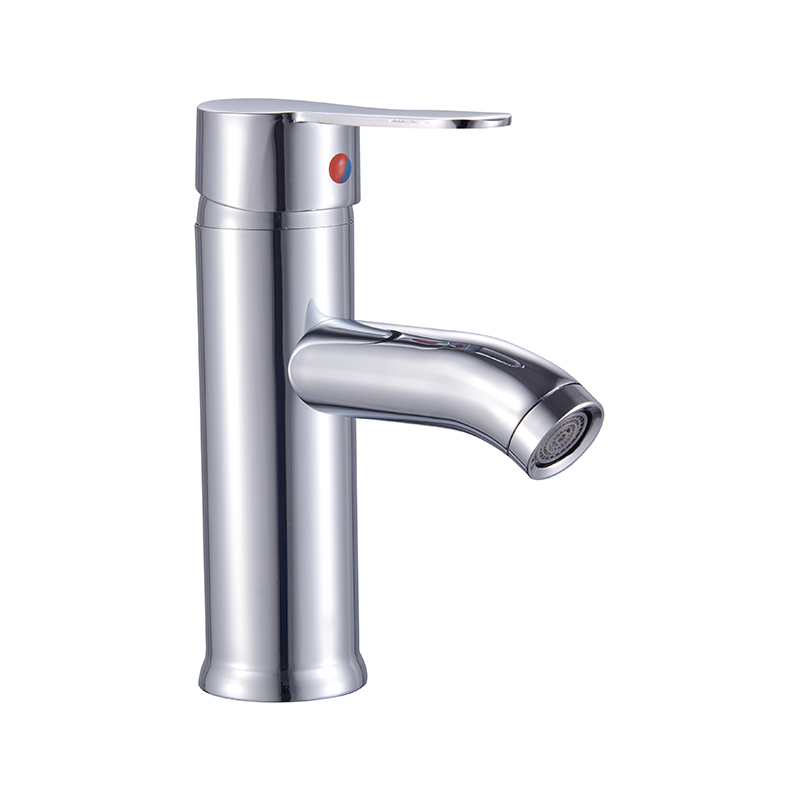
Bathroom and kitchen fixtures face constant exposure to moisture, minerals, detergents, and changing water temperatures. Corrosion resistance has become a major concern among builders, distributors, and homeowners searching for durable plumbing solutions. A growing number of projects now compare traditional metal faucets with modern polymer alternatives such as a PVC Pillar Tap due to maintenance costs and water quality concerns. At the same time, demand continues rising for advanced products like the Pillar Tap Mixer designed for smoother flow control and modern installation compatibility.
Our company has worked with both engineering polymer taps and metal faucet systems across residential and commercial applications. Field feedback shows that corrosion performance depends heavily on material composition, coating technology, water chemistry, and installation environment.
Why Corrosion Happens Inside Taps
Corrosion develops through chemical reactions between water, oxygen, and the faucet material itself. Metal taps may appear strong externally, yet internal oxidation can slowly affect cartridges, threads, valve chambers, and plating layers.
Common corrosion triggers include:
- Hard water with high mineral concentration
- Chloride-rich water supplies
- Acidic cleaning chemicals
- High humidity bathrooms
- Salt exposure in coastal regions
- Temperature fluctuations above 45°C
- Poor electroplating quality
Research and industry reports show that brass, zinc alloy, and low-grade steel fittings may release metal particles over time after prolonged exposure to aggressive water conditions.
PVC Taps and Their Corrosion Resistance Advantage
PVC and engineering polymer taps have become increasingly popular due to their non-reactive structure. Unlike untreated metal surfaces, polymer materials do not oxidize or rust after long-term water contact.
Several modern PVC faucet systems now use:
- ABS engineering polymer bodies
- Ceramic valve cartridges
- UV-resistant outer layers
- Anti-fungal surface treatment
- Quarter-turn ceramic operation
Technical advantages of PVC taps include:
1. Rust-Free Performance
PVC materials contain no iron content, eliminating traditional rust formation entirely. Surface discoloration remains minimal even under humid conditions.
2. Stable Water Quality
Metal corrosion may contribute to metallic taste or discoloration in water systems. PVC structures help maintain neutral water flow because the material does not chemically react with ordinary household water.
3. Reduced Surface Damage
Chrome-plated metal faucets can develop peeling, pitting, or bubbling after years of chemical exposure. Engineering polymer surfaces maintain appearance longer without oxidation damage.
4. Lightweight Installation
PVC taps weigh significantly less than solid brass models. Average lightweight structures simplify transportation and installation.
Typical specifications include:
| Feature | PVC Tap |
| Material | ABS / Engineering Polymer |
| Working Temperature | Up to 60°C |
| Cartridge Type | Ceramic Disc |
| Corrosion Resistance | Very High |
| Maintenance Need | Low |
| Weight | Light |
Metal Taps Still Offer Structural Strength
Metal faucets continue dominating premium construction projects because of their mechanical durability and luxury appearance. Solid brass remains one of the strongest materials used in sanitary hardware manufacturing.
High-quality metal taps commonly feature:
- DZR brass body
- Stainless steel components
- PVD coating technology
- Ceramic disc cartridges
- Multi-layer electroplating
Premium brass faucets can achieve strong corrosion resistance through advanced coatings and precise manufacturing methods. PVD-coated brass systems demonstrate improved resistance against tarnishing and surface wear compared with conventional chrome plating.
Yet material quality matters greatly. Low-cost zinc alloy products often corrode faster under harsh water conditions.
Comparing PVC and Metal Taps Side by Side
Corrosion Resistance
PVC generally performs better against direct oxidation because the material itself does not rust.
Metal taps depend heavily on:
- Coating quality
- Base alloy purity
- Cleaning maintenance
- Water composition
Heat Resistance
Metal taps tolerate higher temperatures and pressure ranges. Brass faucets usually outperform PVC systems in commercial hot-water applications.
Appearance
Metal taps provide a heavier premium appearance with finishes such as:
- Chrome
- Brushed nickel
- Matte black
- Gunmetal grey
- PVD graphite
PVC taps focus more on practical durability and cost efficiency.
Maintenance
PVC requires minimal care:
- Simple cloth cleaning
- No anti-rust treatment
- No polishing compounds
Metal surfaces need more careful maintenance because harsh cleaners can damage protective coatings.
Ceramic Cartridges Improve Both Types
Modern faucet durability depends not only on body material but also on internal cartridge systems.
Many advanced faucets now use ceramic disc cartridges featuring:
- 90-degree operation
- Low friction movement
- Reduced dripping risk
- Long service life
Typical cartridge lifespan:
- 300,000 to 500,000 operating cycles
Our company increasingly integrates ceramic valve systems into both polymer and brass faucet designs to improve operational consistency and reduce maintenance requirements.
Environmental Conditions Matter
Different environments produce different corrosion risks.
Coastal Areas
Salt-heavy air accelerates corrosion on metal coatings. PVC taps usually perform very well in these installations.
Industrial Water Systems
Water containing chemicals or high mineral content can attack plated surfaces over time.
Commercial Kitchens
Heavy hot-water usage often favors reinforced brass structures with industrial-grade finishing.
Residential Bathrooms
PVC faucets provide practical long-term performance with reduced maintenance needs.
Which Option Works Better?
The answer depends on application priorities.
PVC Taps Work Well For:
- Budget-sensitive projects
- Humid environments
- Coastal installations
- Utility rooms
- Rental housing
- Schools and public facilities
Metal Taps Work Well For:
- Luxury bathrooms
- High-temperature systems
- Premium architectural projects
- Heavy commercial usage
- Designer interiors
Our company has observed growing international demand for engineering polymer faucet systems because buyers increasingly prioritize corrosion resistance, reduced maintenance, and lightweight installation advantages. Meanwhile, high-end brass mixer products remain popular in premium construction sectors.