Language
 English
 русский
 Español
 عربى
عربى Phone
Phone
 Email
Email



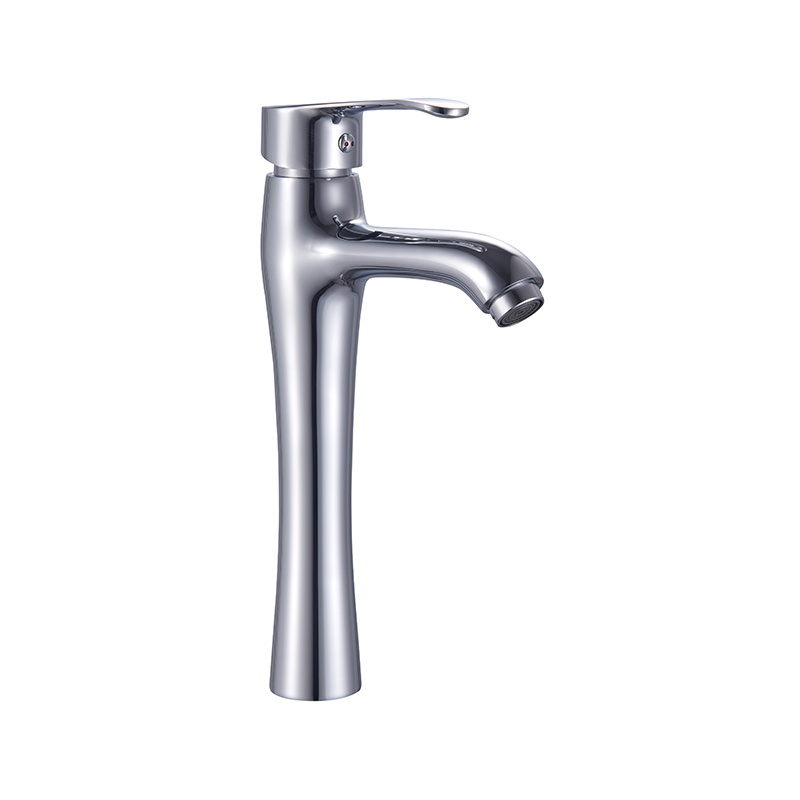
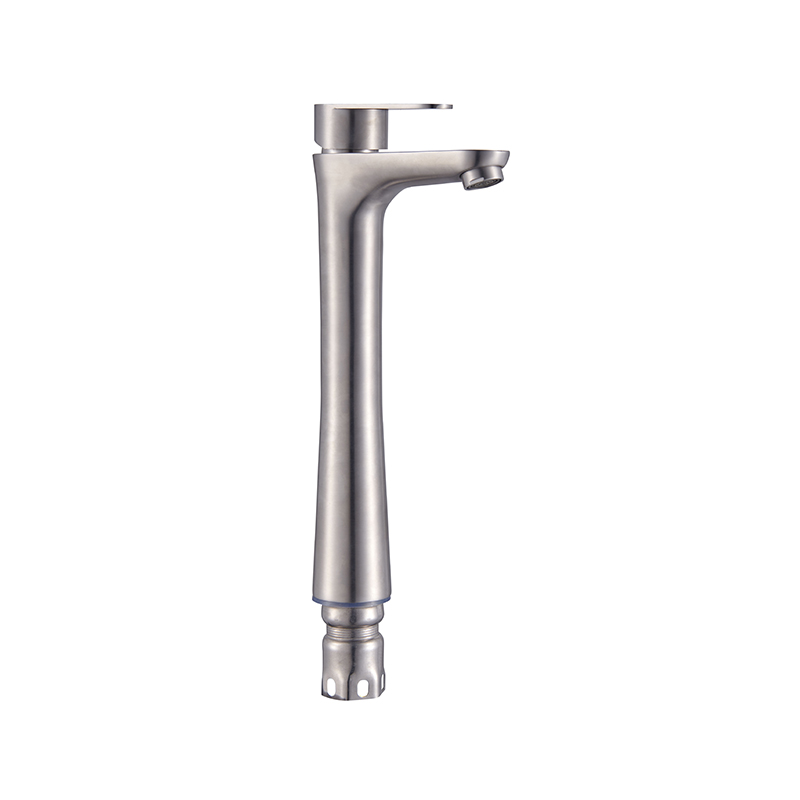
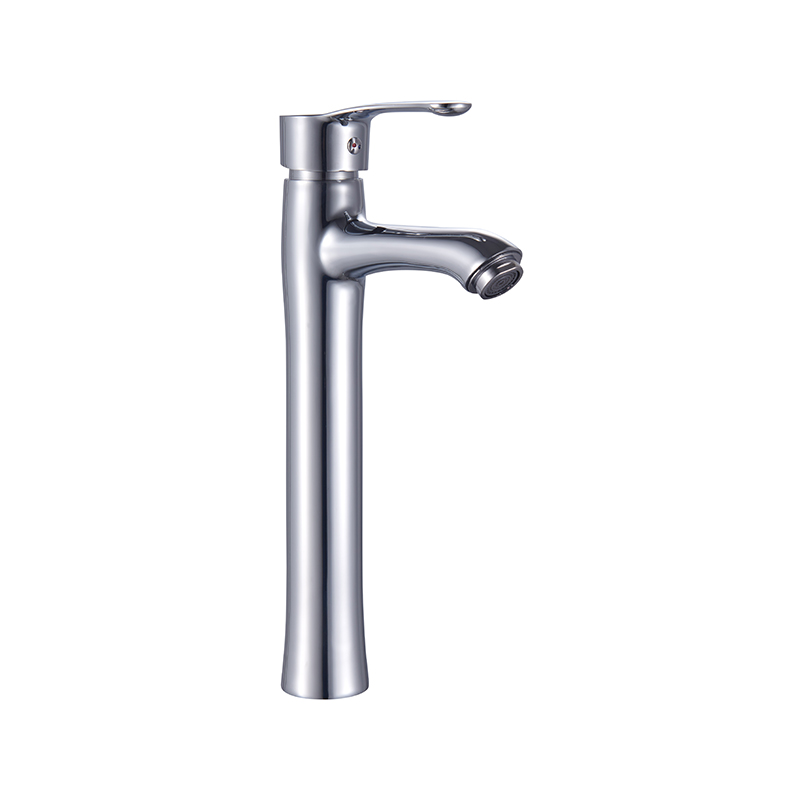
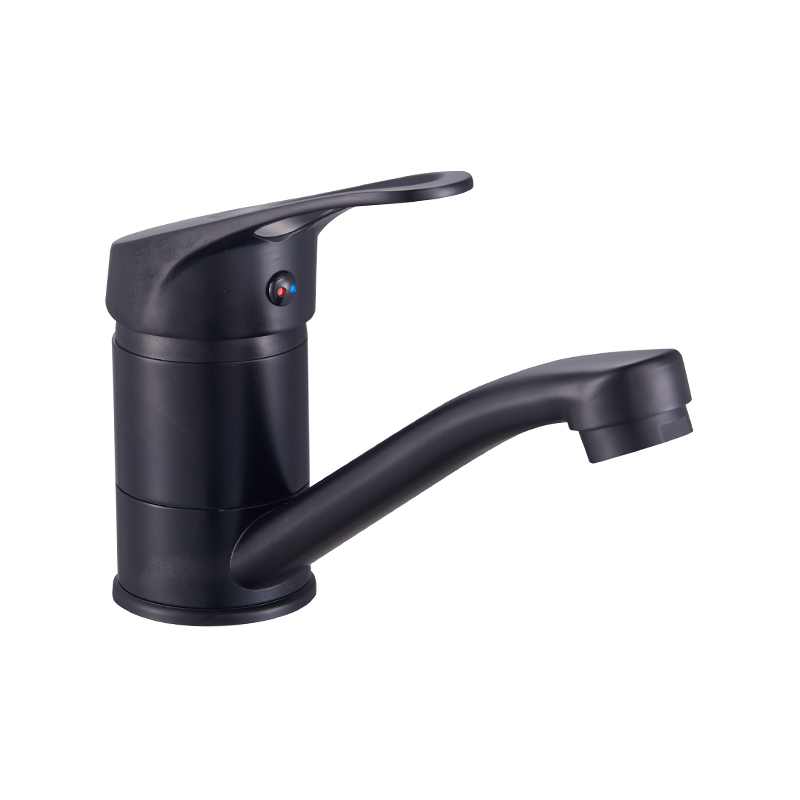
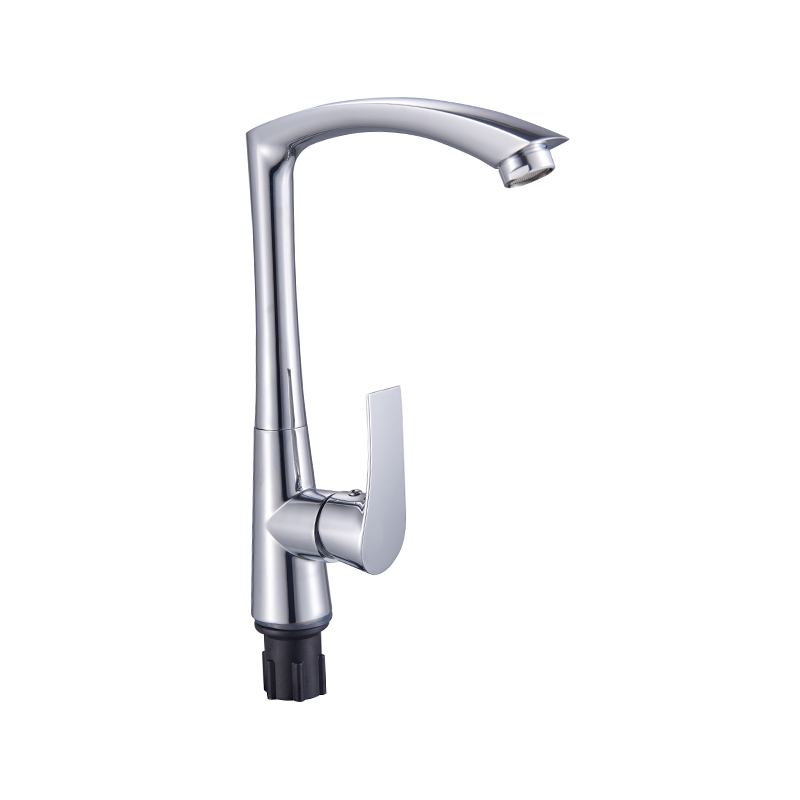
Owners of new kitchen installations often ask why their stainless steel sink mixers paired with kitchen sink tapware suddenly seem noisier or feel less solid than expected. Beyond aesthetics, noise and installation performance are common talking points among users designing or upgrading their kitchens.
Why Stainless Steel Sinks Make Noise
One of the more frequently observed issues with stainless steel sinks is noise — especially when heavy cookware, pots, or utensils are placed into the basin. This isn’t usually a problem with the mixer itself, but rather how the sink’s metal interacts with sound waves and force. Because stainless steel is lighter and more flexible than materials like cast iron or stone composites, it can amplify sound unless specific noise-reducing design features are integrated.
Thin-gauge steel walls or a lack of sound-dampening undercoating is often the culprit. When water hits the basin or a heavy pan is dropped, vibrations travel through the steel and create an audible resonance that many first-time buyers find surprising.
Protective Layers and Undercoating
High-quality sinks often include sound-dampening pads or sprayed insulation underneath the basin to absorb and break up sound waves. Without this protection, even normal kitchen activity can feel louder — especially in open-plan layouts where sound travels freely.
At Zhejiang Jicheng Technology Co., Ltd., engineers design fixtures with acoustic comfort in mind by recommending additional undercoating or foam pads where possible, especially in areas where everyday kitchen tasks involve heavy contact with the sink. Such measures don’t affect the performance of your mixer or tapware but contribute significantly to a quieter environment.
User-Reported Instances of Sink Noise
Users who installed sinks without sufficient undercoating often report a “tin can echo” effect when running water or setting down dishes. Homeowners who later added simple rubber pads or custom insulation boards underneath noticed a marked reduction in noise and vibration.
Additionally, because stainless steel is a structural material, mounting support and countertop rigidity play roles in sound behavior. A rigid counter surface like granite or engineered stone typically dampens noise more effectively than a thin laminate or unsupported cabinet surface.
Drainage Issues That Affect Kitchen Sink Experience
Another common concern relates to drainage performance rather than noise. Poor drainage often makes users believe there’s an issue with the mixer or tapware flow rate, but much of this stems from installation details of the sink itself.
Frequently, slow drainage occurs when the sink lacks proper slope toward the drain or when the cabinet base isn’t level. Water pooling in corners can make cleaning more tedious and contribute to residue buildup that exaggerates noise and surface spotting.
Slope and Installation Considerations
Even modern undermount or drop-in stainless steel sinks need precise leveling to ensure proper drainage. Simply setting the sink without checking its angle toward the drain can create subtle pooling zones that frustrate everyday use. Slight adjustments or shims under the sink flange often solve these issues without altering plumbing.
Designers and plumbers often recommend testing drainage by pouring water in various parts of the basin before finalizing installation. If water moves sluggishly toward the central drain, adjusting the pitch or aligning the sink cut-out helps improve flow — and reduces standing water that contributes to noise when dishes are placed down.
Simple Noise & Drainage Improvements Any Homeowner Can Make
- Add sound-dampening pads: Adhesive foam or rubber strips under the sink basin reduce resonance and softens contact noise.
- Check cabinet support: A rigid support surface under the sink cut-out can significantly modify how sound travels through the steel.
- Level the sink properly: Subtle re-leveling of the basin angle promotes faster drainage and reduces splashing noise.
- Clean drain paths: Periodic clearing of debris prevents slow drainage complaints that often get misattributed to faucet performance.
What This Means for Mixer Performance
While noise and drainage primarily relate to sink material and installation, these factors indirectly affect how users perceive their stainless steel sink mixers and kitchen sink tapware performance. A noisy sink can make faucet operation feel harsher, and slow drainage can lead users to think the water flow from the mixer is at fault when it’s often a separate installation detail. Correct diagnosis helps keep your fixtures performing well without unnecessary maintenance or part replacements.
Understanding these dynamics empowers homeowners and installers to make more informed choices during kitchen design and renovation. The combined result is quieter use, better drainage, and a more satisfying everyday kitchen experience.