Language
 English
 русский
 Español
 عربى
عربى Phone
Phone
 Email
Email



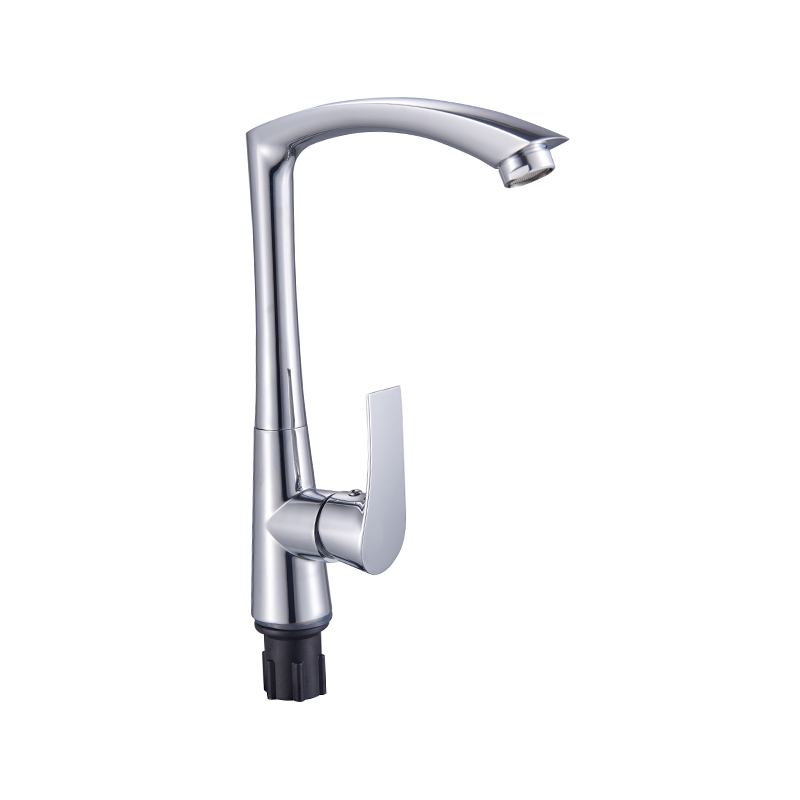
Many homeowners today are searching for answers to questions about the kitchen faucets and mixers they use every day. Whether you source them from a reputable kitchen mixers factory or install high quality kitchen mixer taps in your kitchen, unexpected noises can be confusing and disruptive. Users have frequently posted about hissing, vibrating, or whistling sounds coming from their kitchen tap — and this article looks at what might be happening and what you should pay attention to.
1. Common Noise Issues Reported by Users
Many users have raised issues where their kitchen mixer tap produces strange noises:
Loud vibrations or buzzing when hot water is used elsewhere in the house, causing unpleasant sounds at the kitchen sink.
High-pitched whistling at low flow settings, which often stops once water flow increases beyond a trickle.
Squeals and rattles when other taps in the house are opened or closed.
These sensations can vary from a mild annoyance to a dramatic disturbance that prompts people to search for new mixers or replacements.
2. Why These Noises Occur
Noise from kitchen mixer taps isn’t always a sign of a faulty product from a kitchen mixers factory — it can also be linked to installation conditions and plumbing characteristics:
Loose Internal Parts – If parts inside the tap aren’t snug, water pressure flowing past them can generate vibrations or whistling.
Water Pressure Issues – Excessive water pressure or inconsistent pressure swings can make even high quality kitchen mixer taps produce humming noises.
Trapped Air or Pipework Vibration – Air pockets and improperly supported pipes can also contribute to noise around the tap.
To pinpoint the cause, users often have to observe when the noises occur more frequently — for example, only when other taps run or only at low water flow.
3. Basic Troubleshooting Homeowners Can Try
Before deciding to replace a mixer or calling a plumber, here are some simple checks recommended by industry professionals:
Check Water Pressure: Test the flow at different faucets. If all taps hiss or whine, the issue might be system-wide rather than specific to your kitchen mixer.
Secure Loose Fittings: Gently tighten under-sink connections where the tap attaches, ensuring that nothing is rattling under water pressure.
Aerator Cleaning: A clogged aerator — the small screen at the tap spout — can also distort flow and produce sound. This is quick to clean.
These are simple steps often shared by users who discovered noise sources themselves and found easy fixes.
4. When to Consider Replacement or Professional Service
Although many noises can be resolved, there are situations where a replacement is justified:
Persistent noise even after tightening connections and adjusting pressure.
Visible leakage or dripping from the mixer body.
Signs of valve wear that cannot be corrected by cleaning alone.
Investing in high quality kitchen mixer taps from a trusted manufacturer can reduce the risk of repeated issues, and working with a reliable kitchen mixers factory ensures consistency in production and quality control. Zhejiang Jicheng Technology Co., Ltd. emphasizes durable materials and careful quality checks to reduce these common concerns in everyday use.
5. Keeping Your Kitchen Mixers Performing Well
Regular maintenance and understanding how your plumbing behaves can help extend the life of your kitchen mixer. Frequent cleaning, occasional checks on pressure, and addressing minor issues early all contribute to smoother performance and less noise over time.
While unexpected noises from a kitchen mixer tap can be unsettling, they’re often the result of common plumbing phenomena rather than defective products. By understanding these dynamics and choosing robust, well-engineered high quality kitchen mixer taps from a reliable source such as Zhejiang Jicheng Technology Co., Ltd., homeowners can enjoy a quieter, more efficient kitchen experience.