Language
 English
 русский
 Español
 عربى
عربى Phone
Phone
 Email
Email



Leaks around a stainless steel sink mixer or its connection to kitchen sink tapware can be both annoying and messy, especially when you expect a durable and trouble-free fixture. Whether you’re a first-time homeowner or experienced DIY renovator, understanding where leaks originate and what you can do about them helps you protect your countertop, cabinet interior, and water efficiency. In many cases, the problem isn’t the mixer itself but how water exits or travels beyond the tap outlet.
Common Leak Sources in Sink Assemblies
One of the more frequent leak issues related to stainless steel kitchen sinks occurs around the drain and trap assembly, rather than the mixer. Loose slip-joint connections beneath the sink basin are typical culprits — especially if components weren’t tightened uniformly during installation. The water supplied by kitchen faucets flows down into the sink, but if the drain piping isn’t sealed properly, it can escape at the connection points instead of continuing down the waste line.
Another common leak source is the seal or gasket around the sink’s drain opening and overflow, where rubber or compression seals can deform or degrade over time. Older seals, or ones that weren’t aligned correctly during assembly, may let water seep through even when the faucet is off.
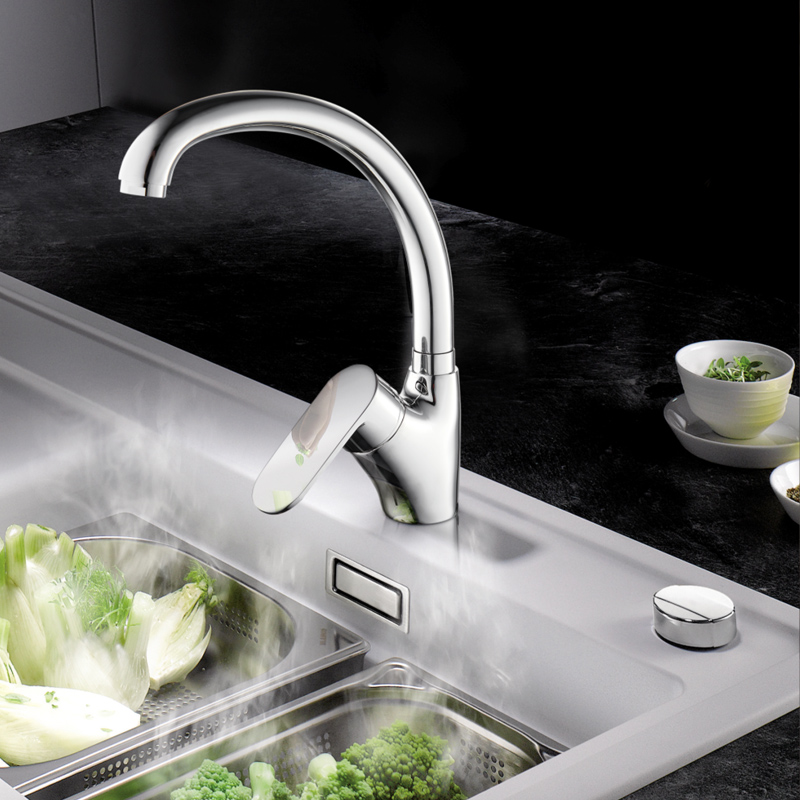
Diagnosing Leak Patterns
Here are practical ways homeowners identify common leak types:
Drips Only During Drainage: If water leaks only when draining after a wash cycle or cup rinse, the issue is almost certainly with the siphon or slip-joint beneath the sink. This is distinct from a mixer leak, which typically seeps even without water flowing into the basin.
Persistent Dampness at the Base: Water pooling underneath the sink cabinet may come from poor gasket sealing or loose drain flange fittings rather than the faucet body itself.
Kitchen sink mixers and tapware should generally hold water securely once installed correctly — so persistent leaks usually point to system connections, not the mixer’s internal mechanism.
Valve and Cartridge Issues Do Occur
Although more leaks are drainage related, internal components of kitchen tapware — particularly the valve or cartridge — can wear over time. Seasonal temperature changes, mineral deposits, or high-frequency usage may cause seals inside the mixer assembly to degrade, resulting in gradual drips at the spout or handle base. Many modern mixers utilize ceramic disc cartridges for durability, but even these components can fail if debris accumulates or pressure fluctuations occur.
In such cases, replacing just the internal cartridge often restores tight shut-off performance without needing full fixture replacement. Understanding the type and age of internal components helps you determine whether repair or replacement is more cost-effective.
Installation Quality Matters Most
Leaks — whether drainage or faucet-related — often trace back to installation practices. Uneven tightening, misaligned seals, or connections made without properly sized washers and gaskets create paths for water to escape. Ensuring that all fixtures, pipes, and seals are snugly secured reduces the risk of leakage. For example, confirming that slip-joint fittings are correctly positioned and rubber gaskets are un-twisted prevents common rash errors that contribute to nighttime puddles beneath cabinets.
Maintenance Tips to Prevent Future Leaks
Proper care and routine checks go a long way in reducing leak risk:
- Inspect Gaskets Annually: Examine rubber seals around the drain and trap for aging or distortion, replacing as needed.
- Tighten Loose Connections: Over time, normal use vibrations can loosen joints — a quick check and re-tighten can help avoid drips.
- Check Cartridge Performance: Drips from the mixer spout often indicate cartridge issues; accessible replacements are available for more designs.
- Clear Debris in Drain: Food particles and mineral deposits can block drain paths and force water around seals, leading to unnoticed leaks.
Practical Insight for Homeowners and Installers
As both users and installers discuss performance and longevity of kitchen fixtures, it’s clear that leaks are rarely fatal flaws — but they are practical problems requiring thoughtful attention. While a stainless steel sink mixer typically remains watertight at the handle and spout, the surrounding system — from drain flange to trap connection — plays a vital role in preventing unwanted moisture. Addressing these areas early helps you maintain a clean, efficient kitchen with reliable kitchen sink tapware performance.
From a manufacturer standpoint, companies like Zhejiang Jicheng Technology Co., Ltd. recommend careful installation and regular maintenance checks to help both professional installers and DIY enthusiasts minimize leak risks before they escalate into costly repairs.