Language
 English
 русский
 Español
 عربى
 Phone
 Email



A leaking bathroom faucet may seem like a small problem, but repeated complaints can affect customer satisfaction, maintenance costs, and a distributor's reputation. For wholesalers, plumbing contractors, and bathroom product importers, choosing a reliable Basin Mixer Tap means looking beyond its appearance and purchase price. Internal components, sealing performance, water pressure compatibility, and manufacturing quality all influence how the product performs after installation. Understanding these factors helps buyers make better purchasing decisions and reduce avoidable after-sales issues.
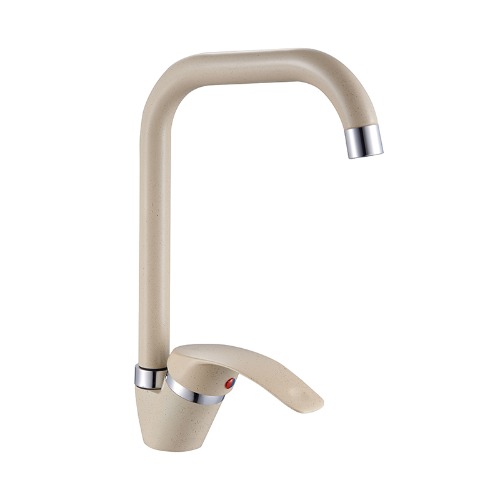
Ceramic Cartridge Quality Affects Water Control
The ceramic cartridge is an important component inside a single-handle basin mixer. It controls the mixing of hot and cold water and allows users to adjust water flow through the handle.
When a cartridge becomes worn, contaminated, or damaged, the faucet may continue dripping after the handle has been closed. In some cases, users may also notice stiff handle movement or difficulty adjusting water temperature.
For bulk buyers, cartridge specifications should be included in the product evaluation process. Manufacturers should be able to explain the cartridge structure, available replacement parts, and relevant performance testing procedures. Buyers should also confirm whether replacement cartridges can be supplied separately for future maintenance.
Water Leakage Can Come from Different Areas
Not every faucet leak has the same cause. Identifying the location of the problem helps distributors and installers communicate more effectively with customers.
Common situations include:
- Dripping from the spout: This may indicate a cartridge sealing problem or debris inside the valve.
- Leakage around the handle: Internal seals or cartridge connections may require inspection.
- Water around the faucet base: The mounting seal, connection, or installation condition should be checked.
- Water leaking beneath the basin: Flexible hoses, threaded connections, or supply fittings may not be properly secured.
A clear troubleshooting process can help reduce unnecessary product replacements and make after-sales service easier to manage.
Water Pressure Compatibility Should Not Be Overlooked
Different countries and buildings have different water supply conditions. A basin mixer designed for one installation environment may not deliver the expected performance in another if the operating pressure is unsuitable.
Low water pressure can result in weak flow, while excessive pressure may place additional stress on internal components and connections. Partially closed shut-off valves, blocked supply hoses, and debris inside the plumbing system can also affect water output.
Before ordering a large quantity of bathroom faucets, buyers should check the manufacturer's recommended operating pressure range and confirm that it matches the intended installation environment. This is particularly important for hotel renovations, apartment developments, and commercial bathroom projects.
Material Selection Influences Product Durability
The faucet body, internal fittings, seals, and surface coating all contribute to overall product performance. Buyers should pay attention to the materials used in different components instead of evaluating the product based only on its exterior finish.
When reviewing a basin mixer tap supplier, procurement teams can request information about:
- Main body material and manufacturing process.
- Cartridge and sealing component specifications.
- Surface treatment and coating inspection.
- Corrosion resistance testing, where applicable.
- Water leakage and pressure testing procedures.
These details provide a clearer understanding of product construction and help buyers compare suppliers on technical grounds.
Factory Quality Inspection Before Shipment
For manufacturers, quality control should cover more than the final visual inspection. Internal assembly and connection accuracy also need attention during production.
A practical inspection process may include checking cartridge installation, handle operation, threaded connections, surface defects, and water leakage under specified test conditions.
Each production batch should follow documented inspection requirements. For overseas buyers, requesting inspection records, product specifications, and sample confirmation before shipment can help establish clearer quality expectations.
Making After-Sales Maintenance Easier for Distributors
After-sales support is an important part of bathroom fixture purchasing, especially for wholesalers supplying retailers, contractors, and property maintenance companies.
A supplier that can provide replacement cartridges, installation instructions, technical drawings, and product identification information can help distributors handle maintenance requests more efficiently.
It is also useful to confirm whether spare parts are available for different product models and whether customized packaging or labeling can support local distribution requirements. These arrangements help buyers manage inventory and provide more consistent service to their customers.
Choosing a Manufacturing Partner for Long-Term Supply
A suitable faucet manufacturer should understand both product construction and the practical requirements of overseas distribution. Consistent production processes, clear technical communication, customization support, and inspection arrangements all matter when establishing a long-term supply relationship.
For importers and plumbing product wholesalers, selecting a Basin Mixer Tap should involve evaluating internal components, sealing performance, pressure compatibility, and replacement part availability. By checking these details before placing bulk orders, buyers can reduce potential maintenance issues and build a more dependable bathroom product range.